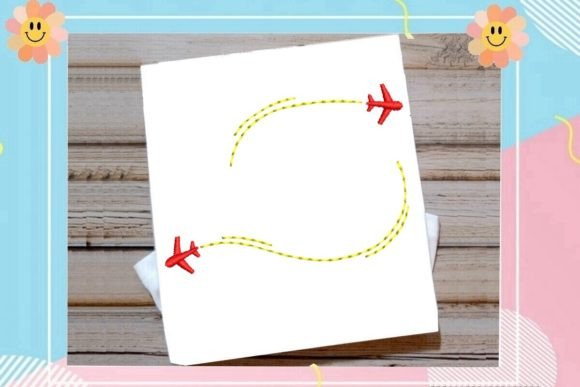
Airplane Travel Design: A Pro Review for Branded Merch
As an embroidery designer who has spent years digitizing and stitching logos for everything from local cafes to national uniform suppliers, I approach every new machine embroidery design with a critical eye. It is not enough for a file to look pretty on a screen; it must perform under the needle, withstand industrial washing, and elevate a brand's identity. Today, I am reviewing the Airplane Travel Design, a transportation-themed file that promises to capture the spirit of adventure. For small business owners, Etsy sellers, and apparel decorators, this review focuses on whether this design translates effectively into profitable, high-quality merchandise.
First Impressions and Visual Personality
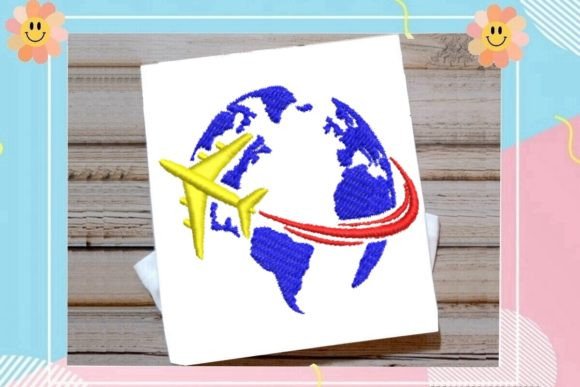
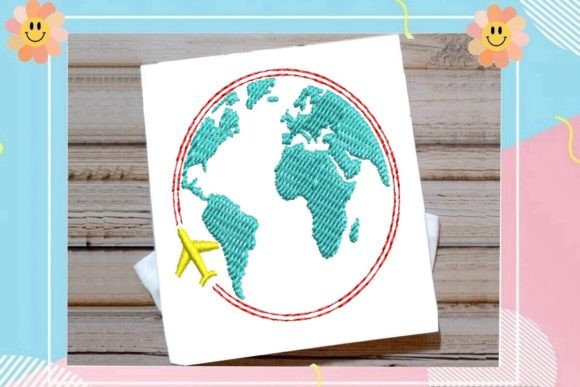
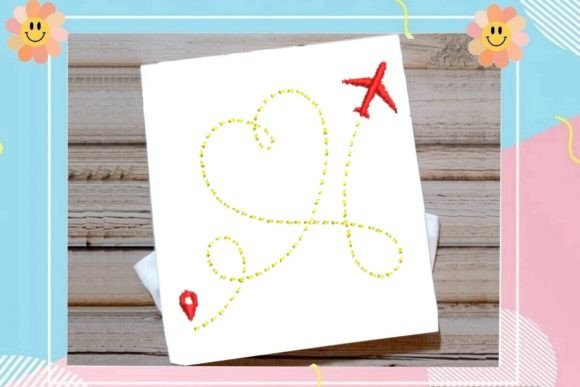
Upon loading the Airplane Travel Design into my editing software, the immediate impression is one of classic wanderlust. The inclusion of iconic elements like airplanes and world maps suggests a narrative that goes beyond simple decoration. Visually, the design feels both modern and timeless, striking a balance that works well for diverse industries. It does not scream "childish" nor does it feel overly corporate; instead, it carries a friendly, exploratory vibe that suits travel agencies, boutique luggage shops, and even creative studios looking to emphasize their global reach.
The composition appears robust enough to serve as a primary logo accent or a standalone graphic. For brands in the Transportation sector or those selling handmade products with a travel theme, this aesthetic offers instant recognition. However, the true test lies in how these visual elements translate when converted from pixels to thread. The interplay between the aircraft silhouette and the map details requires careful attention to stitch density to ensure the final product looks premium rather than cluttered.
Real-World Business Applications
When considering where to deploy the Airplane Travel Design, the possibilities for small business merch are extensive. Here is how this design performs across various commercial applications:
- Embroidered Patches: This is arguably the strongest use case. The design's contained elements make it ideal for iron-on or sew-on patches. A bakery or florist could use these as limited-edition gifts for loyal customers, while a travel blog could sell them as branded assets.
- Staff Uniforms and Aprons: For a café or creative studio with a travel motif, placing this design on the chest of a work shirt or the bib of an apron embroidery project adds a touch of personality. It signals to customers that the staff is part of a journey, enhancing the service experience.
- Cap Embroidery: The compact nature of airplane icons works exceptionally well on the front panel of baseball caps or dad hats. It serves as a subtle yet effective brand marker for outdoor gear shops or tour operators.
- Tote Bag Design: Canvas tote bags are a staple for boutique merchandise. The Airplane Travel Design provides a large enough surface area to showcase the map details without losing definition, making it a perfect finished product for retail.
- Event Merch and Customer Gifts: Whether for a corporate retreat or a craft fair, this design acts as a memorable takeaway. It reinforces brand identity by associating the business with exploration and discovery.
Critical Considerations for Production
While the design is visually appealing, professional embroiderers must exercise caution during production. Not every fabric or garment is suitable for every file. Here are specific areas where the Airplane Travel Design requires careful handling:
- Small Patch Sizes: If scaling the design down for a tiny lapel pin or a small tag, the intricate details of the world map may merge. It is crucial to verify if the digital embroidery file includes multiple sizes or if manual resizing will compromise the legibility of the map outlines.
- Curved Surfaces: When applying this to cap fronts or rounded sleeves, the tension of the fabric can distort wide elements. The map portion, in particular, needs a stable hoop setup to prevent puckering.
- High Stitch Density: If the original digitizing relies heavily on satin stitches for the airplane bodies, this can create stiffness. On lightweight fabrics like poly-cotton blends used for uniforms, this might cause discomfort. Checking the stitch count and density is vital before running a full batch.
- Dark Uniforms: The contrast of thread colors against dark navy or black uniforms must be tested. Light-colored threads on dark backgrounds may require an underlay strategy to prevent the fabric from showing through, which can alter the design's crispness.
- Frequent Washing: Items like aprons and work shirts undergo rigorous cleaning cycles. Detailed outlines and small text elements (if any are included in the map labels) are prone to fraying over time if not properly secured with adequate tie-offs.
Impact on Brand Identity and Customer Trust
In the competitive landscape of custom apparel and handmade goods, consistency is key. Using a cohesive design like the Airplane Travel Design across various touchpoints—from employee uniforms to packaging accents—builds a strong visual language. It tells a story of movement and connection, which can significantly enhance customer trust. When a client sees a well-executed embroidered patch on a product, it signals quality and attention to detail, directly increasing the perceived value of the item.
Furthermore, for Etsy sellers and crafters, having unique design assets that stand out from generic clipart is essential for buyer engagement. This design offers a professional look that elevates a handmade product from a hobbyist creation to a market-ready commodity. It helps in creating a recognizable brand image that customers can instantly associate with reliability and style.
Professional Designer Notes and Best Practices
Before committing to a large production run of commercial embroidery projects featuring this file, I recommend the following workflow to ensure success:
- Test in Black and White: Always stitch a sample using a single thread color first. This reveals issues with spacing and definition that color might hide.
- Verify Hoop Size: Confirm that the design fits within your available hoop size without requiring excessive re-hooping, which can lead to alignment errors.
- Select the Right Stabilizer: Depending on the fabric texture, choose a cut-away stabilizer for stretchy knits or a tear-away for stable wovens to support the map details.
- Create a Printable Mockup: Before stitching, generate a printable mockup to show clients how the design will look on their specific garment. This manages expectations and secures approval.
- Check Commercial Licensing: Ensure that the license terms for the embroidery file explicitly allow for commercial use, especially if you are selling the finished goods or patches to third parties.
- Compare Alongside Other Assets: Place the stitched sample next to your existing logo or branding materials to ensure visual consistency in tone and scale.
In conclusion, the Airplane Travel Design holds significant potential for businesses looking to inject a sense of adventure into their merchandise. However, its success relies on thoughtful application and technical precision. By respecting the limitations of the medium and leveraging the design's strengths, small business owners and decorators can create standout products that resonate with adventurers and globetrotters alike. Always remember to check the specific technical details provided by the file creator, as stitch counts and formats can vary, ensuring your final output is as flawless as your brand reputation.