P One Line Beautiful Letter: A Craft Fair Designer's Review
As I prepare my booth for the upcoming weekend craft fair, my table is covered in prototypes. There are canvas tote bags waiting for initials, linen aprons needing a signature touch, and stacks of tea towels that could use a bit of personality. In the world of handmade product creation, the difference between a browser and a buyer often comes down to one thing: visual impact. Today, I am putting the P One Line Beautiful Letter under the microscope. This isn't just about whether the file opens correctly; it is about whether this design will help me move inventory and build my brand as an Etsy seller and boutique maker.
First Impressions: Minimalism Meets Elegance
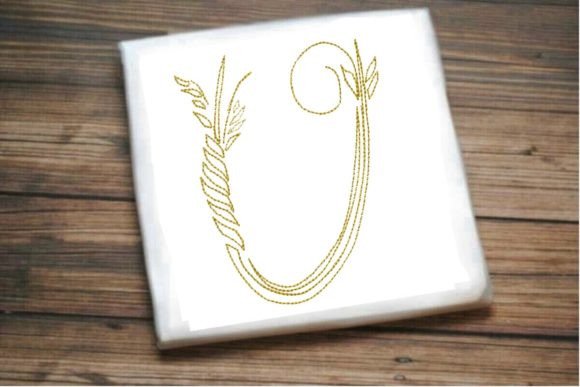
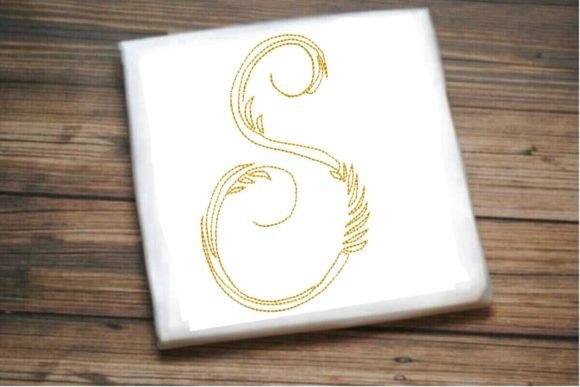
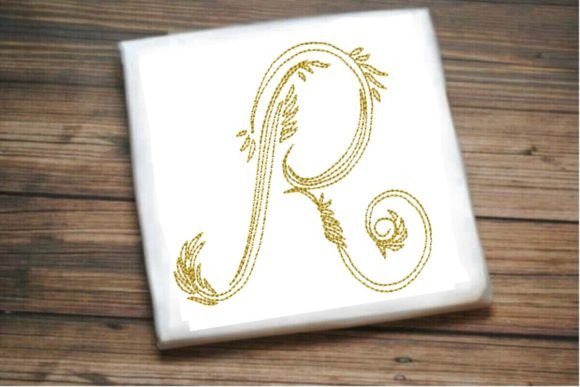
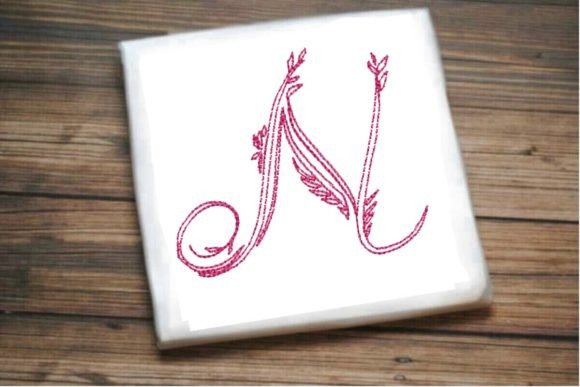
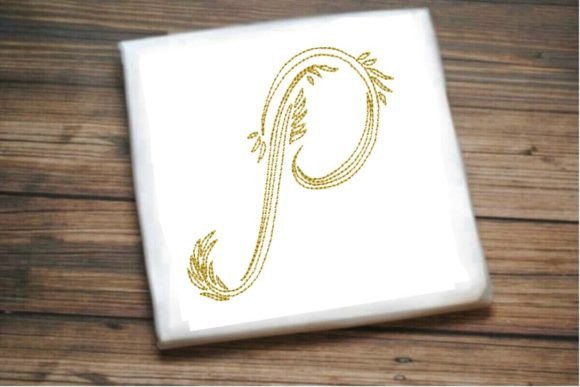
When I first loaded the digital embroidery file to preview it on my screen, the immediate feeling was one of refined simplicity. The title suggests a "One Line" approach, and true to its word, the design features monogram letters seamlessly crafted in a single continuous stroke. For a Wedding Monogram category item, this is crucial. Modern brides and grooms are moving away from overly ornate, heavy scripts in favor of clean, airy aesthetics that feel premium without being fussy.
The mood here is undeniably elegant and modern. It lacks the rustic charm of a farmhouse font or the playful bounce of a cute juvenile script. Instead, it offers a sophisticated flow that screams "custom boutique." For a craft fair environment where customers scan tables quickly, this kind of clarity is a massive asset. It reads instantly. There is no visual clutter to confuse the eye, making it an excellent choice for those who appreciate minimalism.
Product Versatility at the Market Booth
The real test for any machine embroidery design is how it translates from the screen to physical goods. I have laid out several potential craft fair product options to see where the P One Line Beautiful Letter shines brightest.
- Tote Bags and Market Bags: This is likely the winner. The continuous line style looks incredible on canvas or cotton duck. It works perfectly as a large focal design on the front of a bag or as a subtle accent on a corner pocket. The lack of dense fill means the bag remains flexible and comfortable to carry.
- Apron Embroidery: Placing this letter on the bib of a linen apron creates an instant custom look. Because the line work is open, it doesn't stiffen the fabric, which is essential for a garment that needs to drape well while cooking or gardening.
- Tea Towel Embroidery: On waffle weave or flour sack towels, this design performs beautifully. Heavy fills can sometimes pucker thin towels, but a one-line script glides over the fabric texture with minimal distortion.
- Embroidered Patches: Creating small patches with this letter allows for high-margin add-on sales. Customers love buying a patch to iron onto a denim jacket or backpack later.
- Caps and Pillow Covers: Here, caution is needed. While it can work, the curved surface of a cap requires precise hooping. On pillow covers, it adds a touch of personalized luxury.
Production Practicality for Small Shop Owners
Running a small shop product line means efficiency is key. When evaluating the P One Line Beautiful Letter for batch production, several factors stand out. First, the speed. Continuous line designs generally stitch out faster than complex fill patterns because there are fewer jumps and trims. This allows me to churn through a stack of personalized gifts much quicker during the busy holiday season.
Photography is another critical element for online listings. This design photographs exceptionally well. The clean lines create strong contrast against various background colors, making it ideal for creating a printable mockup or taking flat-lay photos for social media. In a crowded Etsy marketplace, clear, crisp images drive clicks, and this design delivers that clarity effortlessly.
However, we must discuss stitch density. Since this is a single-line design, the density is inherently low. This is great for softness but means you must be mindful of thread tension. If the tension is too loose, the continuous line might look saggy rather than sleek. Conversely, if too tight, it could cause puckering on lightweight fabrics.
Critical Considerations for Commercial Success
Before committing to a full production run, there are specific "careful-use" notes every commercial embroidery professional should consider. While the design is versatile, it is not universal.
- Fabric Contrast: Because the design relies on a single line, it can get lost on dark fabrics if you do not choose high-contrast thread colors. A white thread on a navy tote pops, but a grey thread on black fabric might vanish entirely.
- Size Limitations: Do not shrink this design too small. Intricate curves in a one-line font can lose definition if scaled down beyond a certain point. Always check the minimum recommended size in the file details.
- Textured Surfaces: While it works on towels, extremely looped or thick textures might swallow the thin line. Always test on the exact material you intend to sell.
- Stabilizer Choice: Even with low density, the right stabilizer is non-negotiable. For stretchy fabrics like t-shirts or caps, a cut-away stabilizer is often safer than tear-away to prevent the design from distorting over time.
Enhancing Brand Value and Customer Engagement
Ultimately, the goal of using the P One Line Beautiful Letter is to elevate the perceived value of your finished product. When a customer sees their initial stitched in such a fluid, professional manner, they perceive the item as high-end. It moves the product from a generic commodity to a bespoke treasure. This emotional connection drives buyer engagement and encourages word-of-mouth marketing.
For booth display strength, consistency is key. Using this same font family across your tote bags, aprons, and packaging creates a cohesive brand identity. It tells the customer that you pay attention to detail and have a curated aesthetic. In a sea of handmade vendors, that level of polish makes your booth memorable.
Final Designer Notes and Checklist
As I wrap up my review and prepare to hoop the first batch, here is my practical checklist for anyone looking to utilize this design asset:
- Test on scrap fabric first to verify tension and registration.
- Review spacing carefully, especially if combining the letter with other text elements.
- Confirm the hoop size required; ensure your machine frame accommodates the largest version of the design.
- Inspect the stitch path to ensure the continuous line does not create unnecessary travel stitches.
- Create at least one real physical mockup before listing items for sale to gauge actual hand-feel.
- Compare the design on light versus dark fabric swatches to finalize your thread palette.
- Crucial: Confirm commercial licensing terms. The description mentions it is an exquisite design, but you must verify if the license allows for unlimited finished goods sales or if there are restrictions on the number of items you can produce.
The P One Line Beautiful Letter is a powerful tool for the modern maker. It bridges the gap between speed of production and high-end aesthetic appeal. By understanding its strengths in minimalism and its limitations regarding scale and contrast, you can leverage this embroidery file to create a stunning array of products that resonate with customers at your next craft fair or online store launch.