D One Line Beautiful Letter: A Pro Review for Branding
As an embroidery designer who spends most of my days digitizing logos and troubleshooting stitch-outs for small businesses, I am always on the hunt for machine embroidery design files that bridge the gap between artistic flair and commercial durability. When I first encountered the D One Line Beautiful Letter, my initial reaction was one of cautious optimism. In the world of brand identity, simplicity is often the hardest thing to execute perfectly. This design promises an exquisite aesthetic, featuring monogram letters seamlessly crafted in one continuous line. For a boutique owner or a café manager looking to elevate their small business merch, this specific style of Embroidery offers a modern, fluid look that feels less like a stamped logo and more like a handmade signature.
Visual Personality and First Impressions
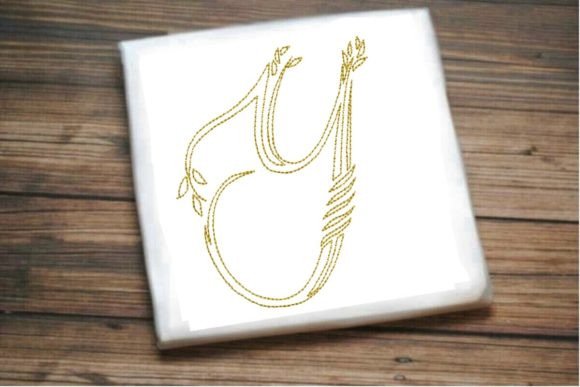
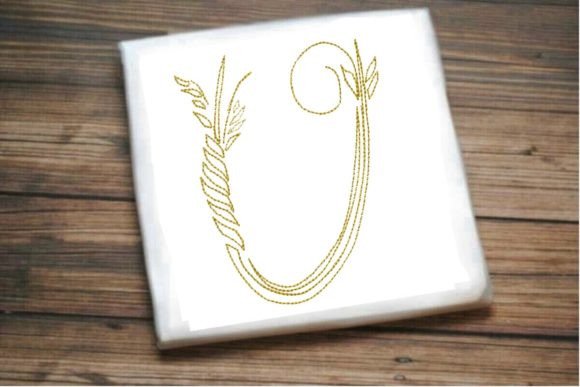
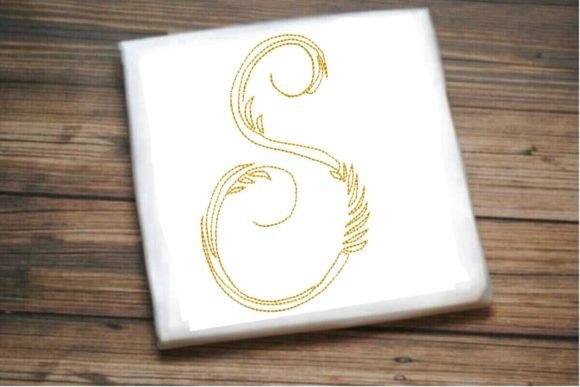
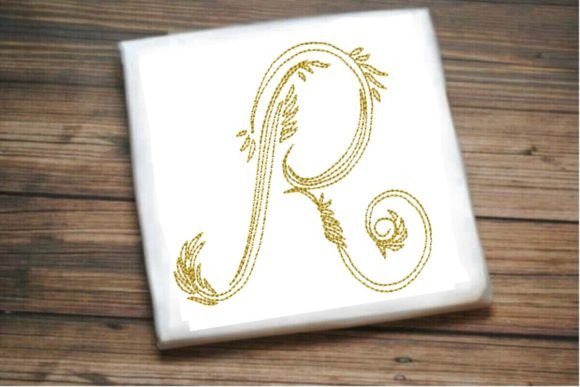
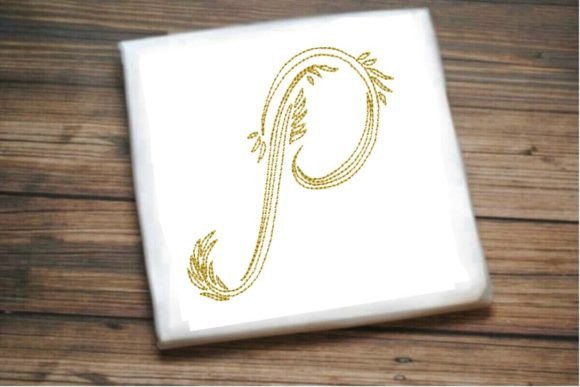
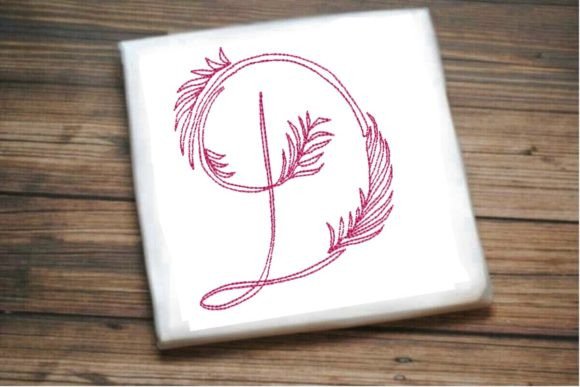
The immediate visual impact of the D One Line Beautiful Letter is its elegance. Unlike blocky, industrial fonts often used for workwear, this design leans heavily into a premium, decorative vibe. The "one line" concept suggests movement and continuity, which translates beautifully to fabric. It feels friendly yet sophisticated, making it an ideal candidate for brands that want to project approachability without sacrificing professionalism. While the product category lists it under Wedding Monogram, do not let that limit your vision. In a commercial context, this fluidity works exceptionally well for creative studios, florists, bakeries, and lifestyle brands where the "handmade" touch is a key selling point. It avoids the rigidity of corporate branding, offering a softer, more organic presence on custom apparel and accessories.
Real-World Application for Small Business Merchandise
Let's talk about where this digital embroidery file actually shines in a real business scenario. Imagine a local coffee shop wanting to brand their barista aprons. A heavy, dense logo might look out of place on a linen apron, but the D One Line Beautiful Letter would sit lightly and elegantly on the chest pocket or sleeve. Similarly, for a boutique selling tote bags, this design serves as a perfect tote bag design element. Because it relies on a single continuous path, it minimizes bulk, which is crucial for items that need to remain soft and pliable.
I can also see this working brilliantly as an embroidered patch. If you are creating merchandise for an Etsy shop or a craft fair, sewing this letter onto a felt or twill backing creates a high-value add-on. It could be the central focus of a cap, providing a subtle cap embroidery detail that doesn't overwhelm the curved surface. For event merch, such as staff shirts for a wedding planner or a floral designer, this design acts as a unifying badge of quality. It tells the customer that attention was paid to the details, enhancing the perceived value of the finished product.
Technical Considerations and Potential Pitfalls
However, as a professional, I must advise caution. The beauty of a one-line design lies in its minimalism, but this can be a double-edged sword in production. When scaling this down for a small patch or a left-chest logo, you must be wary of stitch density and spacing. If the line is too thin, it may disappear on textured fabrics or fail to register clearly on dark uniforms. Before running a full production batch, it is vital to test the design on the actual fabric texture you intend to use. A smooth polo shirt will yield different results than a canvas tote or a rugged denim apron.
Furthermore, curved surfaces like baseball caps present a challenge. The continuous line must maintain its integrity without distorting when pulled over the curve of the crown. You should also consider thread colors carefully. While a monochrome look is classic, ensuring high contrast between the thread and the garment is non-negotiable for readability. If you are using this on a black chef's coat, a metallic or bright white thread is essential. Always check the recommended hoop size and ensure your machine can handle the specific pathing of this design without excessive trimming or jump stitches, which can ruin the "continuous" illusion.
Impact on Brand Identity and Customer Trust
In the competitive landscape of handmade goods and local services, visual consistency is king. Using the D One Line Beautiful Letter across various touchpoints—from staff uniforms to packaging accents—creates a cohesive narrative. It signals to the customer that your brand is thoughtful and curated. There is a psychological effect here; a clean, elegant monogram suggests stability and trustworthiness. When a customer sees this level of detail on an apron embroidery or a product tag, it reinforces the idea that the business cares about quality. This subtle cue can significantly boost buyer engagement and justify a higher price point for your services or products.
Practical Designer Notes for Production
Before you commit to using this design for commercial embroidery projects, here is my checklist for success:
- Test in Black and White First: Strip away the color to ensure the shape and line weight hold up on their own. If it looks weak in one color, no amount of thread variety will save it.
- Check Small Scale Legibility: Print a printable mockup at the exact size you intend to stitch. Can you still recognize the "D" clearly?
- Review Stabilizer Requirements: Continuous lines can sometimes pucker if the fabric isn't supported correctly. Choose a stabilizer that matches the stretch and weight of your material.
- Inspect Spacing: Ensure there is enough breathing room between the line and any other design assets you plan to pair it with.
- Verify Licensing: Since this is for business use, confirm the commercial licensing terms included with the embroidery file. Do not assume a standard download allows for unlimited resale of finished goods.
- Create Client Mockups: Before stitching, show the client a digital representation alongside their other branding elements to ensure visual harmony.
Ultimately, the D One Line Beautiful Letter is a versatile tool in the modern decorator's arsenal. It moves beyond the traditional constraints of rigid logos, offering a pathway to create handmade product lines that feel personal and premium. Whether you are outfitting a team or creating retail inventory, this design has the potential to become a signature element of your brand's visual language, provided it is executed with the technical precision it deserves.